Archivo de la categoría: Varios

Онлајн казино во Северна Македонија: од отворање сметка до безбедни исплати

Онлајн казината им овозможуваат на полнолетните корисници да пристапат до казино игри преку компјутер или мобилен уред, но практичноста не треба да ја засени потребата од внимателно информирање. Пред отворање сметка во Северна Македонија, важно е да се проверат условите за користење, регулаторниот статус на операторот, правилата за исплата и мерките за заштита на личните податоци.

Проверка пред регистрација

Првиот чекор е да се утврди кој го управува казиното и под која лиценца работи. Реномираните оператори јасно ги наведуваат компанијата, адресата, надлежното регулаторно тело и условите што важат за играчите. Овие информации треба да се споредат со официјални регистри, бидејќи логотипот или ознаката за лиценца сами по себе не се доволен доказ.

Корисникот треба да провери и дали услугата прифаќа играчи од Северна Македонија. Во условите обично се наведени старосните ограничувања, достапните методи на плаќање, правилата за бонуси, минималните и максималните износи и постапката за решавање спорови. Нејасните или тешко достапни услови се причина за дополнителна претпазливост.

Отворање сметка и проверка на идентитет

Регистрацијата најчесто бара име, адреса, датум на раѓање, е-пошта и телефонски број. Податоците мора да бидат точни и усогласени со документите што подоцна може да бидат побарани. Користењето туѓ идентитет, повеќе сметки или лажни информации може да доведе до затворање на сметката и задржување на средствата според условите на операторот.

Постапката за познавање на клиентот, позната како KYC, може да вклучува лична карта или пасош, доказ за адреса и потврда дека платежниот метод му припаѓа на корисникот. Иако проверката понекогаш го забавува првото повлекување, таа има цел да спречи измами, перење пари и пристап на малолетни лица. Документите треба да се испраќаат само преку заштитен канал, а не преку несигурни пораки или јавни платформи.

Плаќања и безбедни исплати

При избор на депозит, треба да се проверат валутата, надоместоците и времето на обработка. Банкарските картички, електронските паричници и банкарските трансфери може да имаат различни ограничувања. Најбезбедно е името на сопственикот на платежниот инструмент да се совпаѓа со името на регистрираната сметка.

За споредба на достапните услови и процедури може да послужи и https://www.onlinecasino-mk.com/, но конечната проверка секогаш треба да се направи во официјалните правила на конкретниот оператор. Пред да се побара исплата, корисникот треба да ги прочита условите за обложување на бонусите, минималниот износ за повлекување и евентуалните административни трошоци.

Исплатата обично се враќа преку истиот метод со кој е направен депозитот, додека преостанатиот износ може да се пренасочи преку банкарски трансфер. Ако барањето е одбиено или одложено, операторот треба писмено да објасни која проверка недостасува. Корисно е да се зачуваат потврди за депозити, комуникацијата со поддршката и историјата на трансакциите.

Заштита на сметката и личните податоци

Силна, единствена лозинка и двофакторска автентикација значително го намалуваат ризикот од неовластен пристап. Корисниците не треба да ја споделуваат лозинката, да се најавуваат преку јавни мрежи или да следат сомнителни пораки што бараат итна уплата или документи. Веб-страницата треба да користи шифрирана врска, а политиката за приватност треба да објаснува како се чуваат и обработуваат податоците.

Одговорно играње

Коцкањето треба да се третира како платена форма на забава, а не како начин за заработка. Пред игра е разумно да се одреди буџет и временско ограничување, без позајмување средства и без обид за надоместување загуби со дополнителни уплати. Достапните алатки за лимит на депозит, пауза или самоисклучување можат да помогнат корисникот да ја задржи контролата. При знаци на финансиски или емоционални проблеми, најсоодветно е веднаш да се прекине со играње и да се побара стручна поддршка.

Responsible Gambling Tools for New Zealand Online Casino Players

Online casino entertainment carries financial and personal risks, particularly when gambling becomes difficult to control. Responsible gambling tools are designed to help players set limits, monitor behaviour and take breaks before problems escalate. For New Zealand players, these tools are most useful when treated as practical safeguards rather than optional features reserved for people already experiencing harm.

Why responsible gambling tools matter

Casino games are built around chance, and no strategy can guarantee a profit. Fast games, frequent bonuses and easy access through mobile devices can also encourage longer sessions or larger deposits than originally intended. Tools that create deliberate pauses between decisions can reduce impulsive behaviour and make spending more visible.

Research into gambling harm commonly identifies warning signs including chasing losses, gambling with money needed for essentials, concealing activity from others and feeling unable to stop. A player does not need to meet every indicator before using protective features. Early action is generally easier than trying to reverse substantial financial or emotional consequences later.

Deposit, spending and loss limits

Deposit limits are among the most straightforward controls available. A player can set a maximum amount that may be deposited during a chosen period, preventing a rapid sequence of top-ups after losses. Where available, spending or loss limits may offer broader protection by accounting for money wagered and returned rather than deposits alone.

Limits should be set before gambling begins and should reflect disposable income, not rent, food, debt repayments or emergency savings. It is also worth selecting a time frame that supports careful decisions. Daily limits can be useful for players who gamble frequently, while weekly or monthly limits may make recurring expenditure easier to assess.

Session reminders and time controls

Time can pass unnoticed during online play, especially when games load quickly and results appear within seconds. Session reminders interrupt this flow by displaying how long a player has been active, and some platforms allow users to pause play after a defined period. These prompts are most effective when players stop to review both their time and their spending.

Independent alarms, calendar reminders and device-level screen-time controls can provide an additional layer of accountability. Taking a short break between sessions helps reduce automatic play, while a longer break may be appropriate after an unusually large win or loss.

Self-exclusion and account restrictions

Self-exclusion is a stronger measure for anyone who feels unable to maintain agreed limits. It prevents access for a selected period, often with restrictions on reopening an account before that period ends. Players should read the terms carefully, since exclusion periods, account treatment and coverage can differ between operators.

People seeking a broader barrier may also consider blocking software, bank gambling blocks or reduced access to payment methods. Reviewing the privacy and security policies of any service is important before providing personal information. New Zealand players can also seek independent support from recognised gambling-harm services and health professionals if gambling is affecting relationships, work or finances.

Checking tools before using an online casino

Responsible gambling information should be easy to find and clear about how controls work. Before depositing, players can review the available limit settings, cooling-off options, self-exclusion process, age requirements and customer-support channels. The public site address https://stake-nz-casino.com/ can be assessed against the same basic questions, without assuming that the presence of a tool alone guarantees effective protection.

Players should also confirm who operates the service, which rules apply to New Zealand customers and how complaints are handled. Unclear ownership, pressure to deposit, difficult withdrawals or incentives that encourage continued play deserve caution. A responsible operator should not make it unnecessarily difficult to reduce activity or close an account.

Building a personal safety plan

Tools work better when combined with simple personal rules. Decide a gambling budget in advance, avoid borrowing to play, do not gamble while distressed or intoxicated, and keep gambling separate from essential household money. Recording deposits, withdrawals and time spent can reveal patterns that are easy to miss during individual sessions.

If limits are repeatedly increased, losses are chased or gambling begins to interfere with daily life, stopping is more important than finding a better betting system. Speaking confidentially with a trusted person or professional can provide perspective and practical support. Responsible gambling is not about predicting outcomes; it is about maintaining control over time, money and decisions.

Strategie vincenti per giocare ai giochi da casinò


Conoscere le regole del gioco

Per ottenere risultati positivi nei giochi da casinò, è fondamentale comprendere a fondo le regole specifiche di ciascun gioco. Che si tratti di giochi di carte come il poker o il blackjack, oppure di giochi da tavolo come la roulette, conoscere le normative e le varianti è essenziale. Inoltre, visitando iltuobenesserenonhaprezzo.it – siti di scommesse non aams , si possono trovare ulteriori risorse utili che aiutano a evitare errori costosi, ma offre anche un vantaggio strategico rispetto agli avversari, in quanto si sarà in grado di prendere decisioni più informate.

Inoltre, comprendere le regole consente di esplorare le diverse strategie di gioco. Ogni gioco ha le sue peculiarità che possono influenzare le scelte strategiche. Ad esempio, nel blackjack, conoscere quando è più vantaggioso «stare» o «chiedere» una carta può cambiare radicalmente l’esito del gioco. Dedicarvi del tempo allo studio delle regole e delle dinamiche di gioco è un passo cruciale per massimizzare le probabilità di vincita.

Infine, la familiarità con le regole non si limita solo ai giochi tradizionali. Con l’avvento dei casinò online, è importante anche comprendere il funzionamento dei vari software e delle interfacce. Molti casinò online offrono versioni demo dei giochi, il che è un ottimo modo per esercitarsi senza rischi, permettendo di apprendere e affinare le proprie tecniche in un ambiente sicuro.

Gestire il bankroll in modo efficace

La gestione del bankroll è una delle più importanti strategie da adottare quando si gioca nei casinò. Definire un budget prima di iniziare a giocare aiuta a prevenire spese eccessive e a mantenere il controllo sulla propria esperienza di gioco. È essenziale stabilire un limite massimo di spesa e attenercisi, indipendentemente dalle emozioni o dalla fortuna del momento.

Inoltre, una buona pratica consiste nel dividere il bankroll in sessioni di gioco. Ad esempio, se si ha un budget di 100 euro, si potrebbe decidere di giocarne solo 20 per sessione. Questa strategia non solo consente di prolungare il divertimento, ma riduce anche il rischio di perdite significative in un solo colpo. Rimanere disciplinati e rispettare il proprio piano di spesa è fondamentale per il successo a lungo termine.

Un altro aspetto importante è la scelta del gioco giusto in base al proprio bankroll. Alcuni giochi richiedono puntate elevate, mentre altri permettono di giocare con somme più basse. Scegliere giochi che si adattino al proprio budget permette di esplorare diverse opzioni senza correre il rischio di esaurire rapidamente i fondi. Essere strategici nella scelta dei giochi può fare la differenza tra un’esperienza piacevole e una potenziale perdita devastante.

Adottare strategie di gioco adeguate

Ogni gioco ha le sue strategie specifiche e adottare la giusta approccio è cruciale per massimizzare le possibilità di vincita. Nel poker, ad esempio, saper gestire le proprie mani e riconoscere le giocate degli avversari può determinare l’esito del match. Al contrario, nella roulette, bisogna considerare le probabilità associate a ciascuna scommessa, optando per quelle con il miglior rapporto rischio/rendimento.

Le strategie di gioco possono anche variare in base al tipo di casinò. Nei casinò online, i giocatori possono avvalersi di strumenti come le statistiche di gioco e le tabelle di pagamento per prendere decisioni più informate. Inoltre, è utile tenere d’occhio i bonus e le promozioni, che possono fornire opportunità extra per aumentare le vincite. Essere ben informati su come utilizzare al meglio questi strumenti è fondamentale.

Infine, il fattore psicologico gioca un ruolo cruciale nei giochi d’azzardo. Mantenere la calma e la lucidità è essenziale per poter prendere decisioni razionali. La tentazione di inseguire le perdite o di aumentare le puntate in momenti di sfortuna può portare a decisioni impulsive e a perdite ingenti. Adottare un approccio sereno e strategico permette di affrontare le sfide del gioco con maggiore serenità e possibilità di successo.

Sfruttare i bonus e le promozioni

I casinò offrono spesso una varietà di bonus e promozioni per attrarre i giocatori, e saperli sfruttare al meglio può fare una grande differenza nel migliorare l’esperienza di gioco. Bonus di benvenuto, giri gratuiti e promozioni settimanali sono solo alcune delle offerte disponibili. Conoscere i termini e le condizioni associati a questi bonus è essenziale per massimizzare il loro utilizzo.

È importante innanzitutto confrontare le diverse offerte presenti nel mercato per trovare quelle più vantaggiose. Alcuni casinò possono offrire bonus più generosi rispetto ad altri, ma con requisiti di scommessa che potrebbero essere più impegnativi. Adottare un’analisi critica delle promozioni permette di scegliere quelle che possono effettivamente tradursi in vincite reali.

Inoltre, approfittare delle promozioni di fidelizzazione o dei programmi VIP può portare a vantaggi esclusivi nel tempo. Questi programmi spesso offrono premi, cashback e accesso a eventi esclusivi, arricchendo ulteriormente l’esperienza di gioco. Essere proattivi nell’ottenere e utilizzare i bonus disponibili è una strategia efficace per aumentare le possibilità di vincita senza rischiare somme ingenti di denaro.

Il casinò online ideale per le tue esigenze

Quando si tratta di scegliere un casinò online, è fondamentale trovare quello che meglio si adatta alle proprie esigenze. Ogni casinò offre diverse opzioni di giochi, bonus e metodi di pagamento. È consigliabile fare ricerche approfondite e leggere recensioni per valutare la reputazione del casinò e la sicurezza della piattaforma prima di registrarsi.

Un aspetto importante da considerare è la varietà di giochi offerti. Alcuni casinò si specializzano in giochi da tavolo, mentre altri potrebbero avere un’ampia selezione di slot machine. Avere accesso a una vasta gamma di opzioni consente di esplorare diverse esperienze di gioco e di trovare quelle più divertenti e redditizie.

Infine, non dimenticare di esaminare le opzioni di assistenza clienti. Un buon casinò online dovrebbe offrire un servizio clienti reattivo e disponibile, pronto ad aiutare in caso di problemi o domande. Assicurati che siano disponibili diversi canali di comunicazione, come chat dal vivo, email e telefono, per garantire un supporto efficiente e tempestivo.

Gry kasynowe: Jak wybrać odpowiednią dla siebie


Rodzaje gier kasynowych

W świecie gier kasynowych istnieje wiele różnych rodzajów rozrywki, które mogą przyciągnąć zarówno nowicjuszy, jak i doświadczonych graczy. Najpopularniejsze to oczywiście automaty do gier, które charakteryzują się prostotą oraz możliwością wygrania dużych nagród przy zaledwie kilku kliknięciach. Automaty oferują różnorodne tematy, od klasycznych owocówek po nowoczesne gry z zaawansowaną grafiką i fabułą, a także opcje takie jak mgops-pasym.pl – kasyno bez weryfikacji KYC , co sprawia, że każdy gracz znajdzie coś dla siebie w tej szerokiej ofercie.

Gry stołowe, takie jak ruletka, blackjack czy poker, wymagają większej strategii i umiejętności, co sprawia, że są bardziej atrakcyjne dla graczy, którzy preferują wyzwania. Ruletka przyciąga tych, którzy lubią emocje związane z obstawianiem na numer lub kolor, podczas gdy w blackjacku i pokerze liczą się umiejętności matematyczne oraz psychologiczne. To sprawia, że te gry stają się areną rywalizacji zarówno z krupierem, jak i innymi graczami.

Warto również zwrócić uwagę na nowe trendy w grach kasynowych, takie jak gry na żywo, które łączą tradycyjne elementy gier stołowych z technologią transmisji wideo. Dzięki nim gracze mogą cieszyć się atmosferą prawdziwego kasyna, grając z prawdziwymi krupierami w czasie rzeczywistym. To z pewnością dodatkowo zwiększa emocje i zaangażowanie w grę, a także pozwala na interakcję z innymi graczami.

Jak ocenić gry kasynowe

Wybór odpowiednich gier kasynowych powinien opierać się na kilku czynnikach. Po pierwsze, warto zwrócić uwagę na RTP (Return to Player), czyli współczynnik zwrotu dla gracza. Im wyższy RTP, tym większe szanse na wygraną. Gry o wysokim RTP to często te, które przyciągają graczy, ponieważ oferują lepsze warunki. Na przykład, automaty z RTP powyżej 96% zazwyczaj przyciągają graczy, którzy liczą na dłuższe sesje gry przy zachowaniu większych szans na wygraną.

Kolejnym ważnym aspektem jest różnorodność gier. Kasyna, które oferują wiele różnych tytułów i opcji rozgrywki, są bardziej atrakcyjne dla graczy. Daje to możliwość eksperymentowania i odkrywania nowych preferencji. Warto także zwrócić uwagę na to, jakie bonusy i promocje oferują dane gry, ponieważ mogą one znacząco zwiększyć szansę na wygraną lub wydłużyć czas gry bez dodatkowych kosztów. Na przykład, bonusy powitalne czy darmowe spiny mogą przyciągnąć uwagę nowych graczy.

Niezmiernie ważne jest także śledzenie trendów i opinii innych graczy. Recenzje i oceny gier mogą dostarczyć niezwykle cennych informacji na temat ich jakości oraz uczciwości. Dzięki temu gracze mają możliwość dowiedzenia się, które gry są najbardziej dochodowe i w które warto zainwestować swój czas oraz pieniądze. Forum internetowe oraz portale recenzujące gry są doskonałym źródłem takich informacji, które mogą pomóc w podjęciu świadomej decyzji.

Bezpieczeństwo w grach kasynowych

Bezpieczeństwo to kluczowy aspekt, który powinien być brany pod uwagę przy wyborze gier kasynowych. Warto upewnić się, że kasyno, w którym planujemy grać, posiada odpowiednie licencje oraz certyfikaty. Dzięki temu mamy pewność, że nasze dane osobowe oraz środki są chronione. Wybierając gry, warto również sprawdzić, czy są one testowane przez niezależne instytucje, które zapewniają uczciwość i przejrzystość rozgrywek. Licencje wydawane przez renomowane organy regulacyjne to znak, że kasyno przestrzega standardów bezpieczeństwa.

Oprócz licencji, warto zwrócić uwagę na metody płatności, jakie oferuje kasyno. Bezpieczne platformy zapewniają różnorodne metody wpłat i wypłat, od kart kredytowych po portfele elektroniczne. Ważne jest, aby wybrane metody były zabezpieczone najnowszymi technologiami szyfrowania danych, co daje graczom pewność, że ich transakcje są w pełni zabezpieczone przed nieautoryzowanym dostępem. Gracze powinni również zapoznać się z regulaminem dotyczącym wypłat, aby uniknąć nieprzyjemnych niespodzianek.

Prowadzenie zdrowej gry to kolejny istotny element. Gracze powinni być świadomi swoich ograniczeń i nie przekraczać ustalonych budżetów. Kasyna często oferują opcje samowykluczenia oraz limity wydatków, co może być pomocne dla osób, które mogą mieć skłonności do uzależnień. Odpowiedzialne podejście do gier kasynowych jest kluczowe dla utrzymania przyjemności z rozrywki. Ponadto, warto mieć na uwadze, że gra powinna być traktowana jako forma zabawy, a nie sposób na zarobek.

Strategie gry w kasynach

Wybierając odpowiednie gry kasynowe, warto zastanowić się nad strategią, którą chcemy wdrożyć. Gry takie jak blackjack czy poker wymagają przemyślanej strategii, która może znacząco zwiększyć nasze szanse na wygraną. Zrozumienie zasad gry, a także umiejętność liczenia kart w blackjacku, może dać przewagę nad krupierem. W przypadku pokera, odpowiednia strategia rozgrywki, zarządzanie emocjami oraz umiejętność oceny przeciwników są kluczowe. Gra w pokera to nie tylko umiejętności, ale także psychologia.

W grach losowych, takich jak ruletka, szanse na wygraną są z góry ustalone, co oznacza, że nie ma konkretnej strategii, która mogłaby zapewnić stałe wygrane. Niemniej jednak, stosowanie różnych systemów obstawiania, takich jak system Martingale, może pomóc w zarządzaniu funduszami i podejmowaniu bardziej przemyślanych decyzji dotyczących zakładów. Kluczowe jest, aby nie poddawać się emocjom i podejmować decyzje w oparciu o analizę, a nie impuls.

Dla graczy, którzy preferują automaty do gier, ważne jest, aby zrozumieć, że wyniki są całkowicie losowe. Nie istnieją żadne strategie, które mogłyby wpłynąć na wynik. Jednak korzystne jest wybieranie maszyn z wyższym RTP oraz zapoznawanie się z funkcjami bonusowymi, które mogą zwiększyć nasze szanse na wygraną. Zrozumienie gier oraz strategii to klucz do udanej zabawy w kasynach. Warto również korzystać z możliwości gry w trybie demo, aby przetestować różne strategie bez ryzykowania realnych pieniędzy.

Gdzie znaleźć informacje o grach kasynowych

W dobie internetu istnieje wiele źródeł, które oferują informacje na temat gier kasynowych. Wiele stron internetowych poświęconych jest recenzjom gier, analizom strategii oraz nowinkom ze świata kasyn. Gracze mogą korzystać z forów internetowych, gdzie wymieniają się doświadczeniami oraz opiniami na temat konkretnych gier i kasyn. Takie dyskusje mogą dostarczyć cennych informacji oraz wskazówek dotyczących wyboru gier. Warto również zwrócić uwagę na rankingi gier, które mogą ułatwić dokonanie wyboru.

Warto również śledzić blogi oraz kanały na platformach społecznościowych, które zajmują się tematyką gier kasynowych. Często publikowane są tam najnowsze promocje, strategie oraz analizy gier. Dodatkowo, wiele kasyn prowadzi swoje blogi, na których można znaleźć artykuły dotyczące odpowiedzialnej gry, poradników oraz aktualnych ofert. Te źródła mogą być niezwykle pomocne w podejmowaniu świadomych decyzji. Informacje o nadchodzących wydarzeniach i turniejach również mogą być interesujące dla graczy.

Ostatnim, ale nie mniej ważnym źródłem wiedzy o grach kasynowych są recenzje wideo publikowane na platformach takich jak YouTube. Wiele osób dzieli się swoimi doświadczeniami z gier, pokazując zarówno strategie, jak i rozgrywki na żywo. Oglądanie tych materiałów pozwala zyskać lepsze pojęcie o danej grze, jej mechanizmach oraz szansach na wygraną. Warto korzystać z tych zasobów, aby być na bieżąco z trendami i nowinkami w świecie gier kasynowych. Dzięki temu można lepiej przygotować się do gier oraz uniknąć pułapek, na które mogą natknąć się nowi gracze.

Live Poker in Canada: Camera Views, Shuffling Systems, and Real-Time Table Verification

Live poker combines online access with a streamed table staffed by a real dealer. For Canadian players, the main question is not simply whether a platform offers a poker table, but how clearly it demonstrates that the game is being conducted fairly. Camera coverage, card-handling procedures, game records, and responsible operating practices all influence the credibility of the experience.

What a Live Poker Table Should Show

A properly designed live table normally uses more than one camera angle. A wide shot establishes the dealer, table layout, and surrounding equipment, while a closer view focuses on cards, chips, and betting areas. The purpose is not merely visual quality. Multiple views allow participants to follow important actions and make it harder for unclear framing to conceal a dealing or payout error.

Good broadcasts also maintain a consistent relationship between the video feed and the betting interface. When a round begins, the software should display the relevant betting window, limits, and countdown clearly. If the stream falls behind or a connection breaks, the platform should explain whether wagers remain active, are voided, or are settled according to published rules. These details matter more than polished graphics.

Shuffling and Card-Handling Systems

Live poker rooms may use manual shuffling, automated shufflers, or a combination of both. Automated equipment can improve speed and consistency, but it is not automatically proof of fairness. The important evidence includes documented maintenance, controlled access, visible loading procedures, and appropriate oversight of the cards before they reach the table.

In manual games, viewers should be able to see enough of the dealer’s actions to understand when cards are collected, shuffled, and dealt. Procedures may vary between poker formats, especially when the house deals against players rather than hosting a traditional player-versus-player table. Published rules should explain how the deck is handled, how misdeals are treated, and what happens if a card is exposed prematurely.

Independent testing can add another layer of assurance. Depending on the operator and jurisdiction, audits may examine randomisation, game software, payment systems, or security controls. An audit logo by itself is limited evidence; stronger information identifies the testing organisation, the scope of its review, and whether the certification remains current.

Real-Time Verification and Game Records

Verification is strongest when several sources of information agree. The video feed should correspond with the displayed round, betting history, and final result. A player should be able to review completed hands or at least see a clear record of wagers, outcomes, and settlement times. Server timestamps and round identifiers are useful when a dispute concerns a delay or a connection failure.

For readers comparing operating practices and table formats, https://livedealercasinos-ca.com/live-poker/ provides a relevant reference point for examining live poker arrangements. Any information found through a guide should still be checked against the current rules, terms, and regulatory disclosures of the individual operator.

Canadian Regulatory Considerations

Canada’s gambling framework is divided between federal criminal law and provincial or territorial administration. In practice, the legal availability of online gaming, the identity of the operator, and the location of the player can all affect how a service is regulated. A platform serving Canadian users should make its licensing information, corporate identity, age restrictions, and responsible-gambling measures easy to find.

Players should also check whether geolocation controls apply and whether withdrawals require additional identity verification. These are ordinary compliance measures, not necessarily warning signs. More concerning are missing ownership details, vague dispute procedures, unclear currency conversion, or rules that can be changed without adequate notice.

Assessing a Table Before Playing

A practical review begins with the basics: inspect the camera angles, read the game rules, and watch a few rounds without wagering. Confirm that card movements remain visible, betting limits are explicit, and the dealer’s actions match the on-screen status. It is also sensible to test customer support with a factual question before depositing funds.

Live presentation can make poker feel immediate, but speed and atmosphere should not replace scrutiny. Choosing transparent operators, setting a fixed budget, and retaining records of transactions and disputed hands gives players a more informed basis for participation.

Choosing the Right Cartridge for Your Sidearm

The Best Handgun Ammo for Every Shooter in 2025

Handgun ammunition is a self-contained unit combining a primer, propellant powder, and a bullet within a metallic case. Upon firing, the firing pin strikes the primer, igniting the powder to generate high-pressure gas that propels the bullet down the barrel. Its design balances stopping power, recoil, and penetration, offering shooters a versatile tool for self-defense and target practice. Selecting the correct caliber and bullet type is essential for reliable feeding and optimal performance in your specific firearm.

Choosing the Right Cartridge for Your Sidearm

Standing at the range with your new sidearm, the choice of handgun ammo suddenly feels heavier than the gun itself. Choosing the right cartridge starts with your firearm’s stamped caliber—never improvise. For concealed carry, a 9mm Luger balances recoil, magazine capacity, and proven self-defense ballistics, while .45 ACP offers a heavier thump at the cost of control in rapid fire. For training, cheap full metal jacket rounds mimic your carry load’s point of impact, but your defensive magazine must hold jacketed hollow points that expand reliably at typical encounter distances. Test at least 100 rounds of your chosen hollow point through your specific barrel to confirm feeding—some compact pistols choke on certain bullet profiles. Match your cartridge to your grip strength, your holster, and the walls you might shoot through, not to hype or nostalgia.

Common Calibers Explained: 9mm, .45 ACP, .380, and More

The 9mm is the sweet spot for most shooters—light recoil, higher capacity, and cheap practice ammo. The .45 ACP hits harder but shoves your wrist more and rewards slower, deliberate shots. The .380 sits below 9mm in power, perfect for tiny pocket pistols where concealability beats punch. For a compact carry gun, choosing between 9mm and .380 comes down to grip comfort—if you can control the 9mm, take it. The .40 S&W splits the difference but snaps sharper. A quick sequence to pick:

handgun ammo

  1. Test your grip strength with a rented 9mm.
  2. Try a .380 in the same frame size.
  3. Only consider .45 ACP if you shoot it comfortably.
  4. Check recoil spring stiffness for your hand size.

handgun ammo

Stick with proven loads from major brands for reliability.

Matching Bullet Weight and Velocity to Your Shooting Goals

Matching bullet weight and velocity to 6.5×55 Swedish Ammo for Sale your shooting goals starts with defining the target. For competitive shooting, a lighter, faster projectile like a 115-grain load reduces recoil impulse and muzzle flip, enabling quicker follow-up shots. Conversely, hunters or those seeking deeper penetration should prioritize heavier bullets, such as 147-grain loads, which retain energy better at slower velocities. However, a heavy bullet pushed too fast can over-penetrate in self-defense scenarios, while a light bullet at extreme speed may fragment prematurely in barriers. For plinking, aim for a balance that cycles your specific action reliably. Your cartridge selection must pair bullet mass with velocity to match the ballistic profile your discipline demands, not just the gun’s capacity.

Always choose bullet weight and velocity as a combined system—lighter for speed and control, heavier for penetration and energy—to directly serve your intended shooting outcome.

handgun ammo

Understanding Bullet Design and Terminal Performance

Understanding bullet design and terminal performance in handgun ammo begins with the projectile’s construction, which dictates how energy transfers upon impact. Full metal jacket rounds typically punch through tissue without expanding, offering shallow wound channels and reduced stopping power. In contrast, jacketed hollow points are engineered to expand upon entering fluid, increasing diameter and maximizing tissue disruption—this expansion is the core of .32 Win Special Ammo for Sale terminal performance. Expansion reliability depends on velocity thresholds; too little speed prevents consistent opening, while excessive velocity can cause jacket-core separation. Weight retention also matters: a bullet that fragments heavily may penetrate too shallowly for self-defense. Balanced designs prioritize controlled expansion to a target diameter while preserving enough mass for deep, consistent penetration, typically 12–18 inches in ballistic gel. Matching the correct bullet profile to your barrel length and intended use ensures predictable performance.

Full Metal Jacket vs. Hollow Point vs. Frangible Rounds

handgun ammo

Choosing between Full Metal Jacket vs. Hollow Point vs. Frangible Rounds hinges on your intended use. Full metal jacket (FMJ) rounds feature a lead core fully encased in copper, offering deep penetration and reliable feeding, but they pass through targets without expanding, increasing overpenetration risk. Hollow points expose a cavity at the nose, initiating rapid expansion upon impact, which transfers energy quickly and limits collateral damage—ideal for self-defense. Frangible rounds are compressed metal dust that disintegrate upon striking hard surfaces, minimizing ricochet hazards, yet they lack penetration depth against heavy clothing or barriers. Each design trades off penetration, expansion, and fragmentation for specific scenarios.

FMJ penetrates deeply without expanding; hollow points expand to stop threats; frangibles break apart on impact, each serving distinct tactical or training roles.

How Bullet Shape Affects Penetration and Expansion

Bullet shape dictates terminal behavior more than any other variable. A rounded or flat-nosed profile drives deeper penetration by pushing tissue aside, whereas a sharp, hollow-point cavity initiates rapid hydraulic expansion upon impact. This expansion creates a larger wound channel but sacrifices depth, as the increased frontal surface area decelerates the projectile quickly. Conversely, a full metal jacket’s streamlined ogive resists deformation, ensuring straight-line penetration through barriers and thick clothing. For defensive handgun loads, the optimal balance between penetration and expansion hinges on matching the nose geometry to your anticipated threat profile—a truncated cone penetrates better through denim, while a wide-mouth hollow point expands more reliably at lower velocities. Expansion efficiency is lost if the shape is too blunt for the cartridge’s power level.

handgun ammo

Q: How does a hollow-point’s shape prevent over-penetration?
A: Its flared rim and internal cavity catch tissue and fluid, creating a mushroom effect that rapidly increases drag—stopping the bullet inside 6.8 SPC Ammo for Sale the target while maximizing energy transfer, unlike a pointed or round-nose shape that slips through.

What to Look for in Self-Defense vs. Range Practice Loads

Choosing handgun ammo hinges on purpose. For self-defense loads, prioritize reliable expansion and deep penetration, typically found in premium hollow points that function flawlessly in your specific firearm. You https://specialtysportsandsupplyltd.com/ need a cartridge that feeds consistently under stress and mitigates over-penetration risks. In contrast, range practice loads focus on affordability and manageable recoil for skill reinforcement. Look for full metal jacket (FMJ) bullets, which are cheaper and ideal for repetitive drills, but never for carry. Your practice ammo must match the point of impact and recoil profile of your defensive rounds to build muscle memory effectively. Select a practice load with similar bullet weight and velocity, ensuring your trigger time translates directly to defensive performance without breaking the bank.

Stopping Power vs. Recoil Management for New Shooters

For new shooters, the trade-off between stopping power and recoil management is critical. Recoil management for new shooters often dictates whether they can deliver follow-up shots accurately under stress. A full-power defensive load, like a 9mm +P hollow point, generates sharp .32 ACP Ammo for Sale muzzle flip that can disrupt sight alignment and flinch response. Conversely, a reduced-recoil practice round—such as a 115-grain FMJ at standard velocity—allows the shooter to build muscle memory without anticipating the bang. The logical sequence is: first master trigger control with low-recoil loads, then graduate to defensive ammunition to verify function and point of aim. This progression ensures the shooter learns to manage recoil before relying on maximum stopping power in a real threat scenario.

Why Reliable Feeding and Consistent Ignition Matter Most

Across both defensive and practice roles, reliable feeding and consistent ignition separate usable handgun ammo from frustrating scrap. A carry round that fails to chamber under slide stress or misfires on a primer strike can cost seconds you cannot reclaim, while a practice load that stovepipes every third magazine destroys muscle memory for clearing malfunctions. For defense, demand rounded bullet profiles and stiff case rims that glide up feed ramps; for range use, choose primers seated flush and cases trimmed to spec. Verify by cycling a full magazine manually, then firing a test batch from a limp wrist—both actions expose weak points. Sequence to trust:

  1. Inspect 6.5x57mm Mauser Ammo for Sale case mouth and primer depth
  2. Hand-cycle ten rounds from each magazine
  3. Fire fifty rounds, noting any failure to extract or fire

Only ammo passing all three earns carry status.

Decoding the Numbers on a Box of Ammunition

The box of handgun ammo is a compact data sheet, and decoding it starts with the caliber—like 9mm Luger or .45 ACP—which dictates fit and firearm compatibility. Next, the bullet weight, listed in grains (e.g., 115gr, 230gr), tells you how heavy the projectile is, directly impacting recoil and velocity. The muzzle velocity (fps) reveals how fast the bullet leaves the barrel, while muzzle energy (ft-lbs) shows its striking power. Pay attention to the bullet type—FMJ for practice, JHP for expansion—as it changes terminal performance. Don’t overlook the primer type (boxer vs. berdan), which matters for reloading. Always cross-check the exact caliber number Ammunition for Sale on the box against your firearm’s stamped barrel marking—even a slight variance like .380 vs. 9mm Short is non-interchangeable. Finally, the lot number helps track consistency if you buy in bulk.

Reading Velocity, Grain Weight, and Pressure Ratings

On a handgun ammo box, **velocity, grain weight, and pressure ratings** form a ballistic triad you must read together. Velocity (often listed in feet per second) tells you how fast the bullet exits the barrel, directly affecting trajectory and energy transfer; a higher number generally means a flatter arc but more recoil. Grain weight (gr) measures the bullet’s mass—heavier grains (like 147gr in 9mm) penetrate deeper and cycle slower, while lighter grains (115gr) produce higher velocity and sharper snap. Pressure ratings, indicated by terms like +P or +P+, signal that the cartridge operates above standard SAAMI pressure limits, demanding a gun specifically rated for that stress. Always verify your firearm’s manual before firing +P loads, as repeated use accelerates wear. Reading velocity, grain weight, and pressure together prevents mismatches between recoil impulse and slide spring tension, ensuring reliable feeding.

Q: How do pressure ratings affect my choice of handgun ammo?
A: Pressure ratings dictate safe usage—standard pressure suits any firearm, while +P or +P+ requires a gun explicitly designed for those higher chamber pressures, otherwise you risk case rupture or premature slide damage.

Primer Types and Casing Materials—What’s the Difference?

The numbers on a box won’t tell you the primer type or casing material, but both affect performance and reloading. Boxer primers are standard for most handgun ammo, while Berdan primers are common in imported surplus and are .338 Lapua Ammo for Sale harder to find components for. Casing materials include brass, aluminum, and steel; brass is reloadable and expands to seal the chamber, while aluminum and steel are typically one-time-use and can be harder on extractors. Choosing the right casing material impacts cost and firearm longevity. Steel cases often have a lacquer or polymer coating to reduce friction, but that coating can build up in tight chambers. Primer sensitivity also varies, which matters if you use a light-striker pistol.

handgun ammo

Primer types dictate reloadability, while casing material influences cost, extraction, and chamber wear—brass for reloading, steel for budget, aluminum for lightweight plinking.

Practical Tips for Storing and Handling Your Rounds

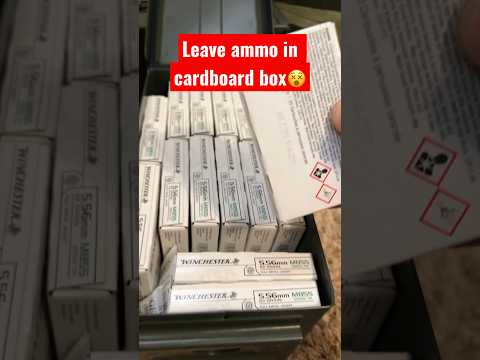
Keep your handgun ammo in original manufacturer boxes or a dedicated ammo can with a tight seal, and store it in a cool, dry place away from direct sunlight. Humidity is the enemy; toss in a few desiccant packets to prevent corrosion on brass and primers. When handling rounds, avoid touching the primer or bullet with oily fingers—oils can seep in and degrade the powder over time. Always inspect each round for dents, loose bullets, or tarnished cases before loading, and discard any questionable ones. Rotate your carry ammo every six months by shooting the old stash at the range, then reloading fresh. Never store loose rounds in a pocket or bag where they can rattle against keys or tools, as that can cause primer strikes. Finally, keep ammo elevated off concrete floors to minimize moisture transfer.

Preventing Corrosion and Misfires With Proper Storage

To prevent corrosion and misfires with proper storage, keep handgun ammo in a cool, dry environment, ideally below 70°F with humidity under 50%. Avoid storing rounds in leather or fabric pouches that trap moisture; instead, use sealed ammo cans with silica gel desiccants. Rotate your carry ammunition every 3–6 months, as constant chambering can dent primers and allow oil to wick into the case, causing powder degradation. Inspect for green or white residue on brass—that’s oxidation—and discard any rounds with loose bullets or discolored primers. For long-term storage, a light coat of corrosion inhibitor on cartridge cases—never the primer—adds a moisture-proof barrier against misfires.

Storage Method Corrosion Risk Misfire Likelihood
Loose in range bag High (humidity exposure) Moderate (dirt ingress)
Sealed ammo can + desiccant Low Low
Chambered in firearm Medium (oils) High (primer contamination)

How to Spot Damaged or Bad Ammo Before Loading

Before loading, inspect each round visually, prioritizing damaged ammo identification for handgun cartridges. Check the case mouth for splits, dents, or corrosion, especially near the rim, which can cause feeding failures or pressure issues. Look at the primer: a flattened, pierced, or significantly protruding primer suggests overpressure or a bad strike; avoid these. Examine the bullet itself for deep set-back (where the projectile is pushed into the case) or if it wobbles when lightly rotated, indicating a loose crimp. Discard any round with a tarnished, greenish stain on the brass, as this weakens the case walls. Finally, smell the powder; an acrid, vinegar-like odor means decomposed propellant. When in doubt, set the round aside—never gamble on questionable handgun ammunition.

Common Mistakes Beginners Make When Buying Ammo

When you’re just starting out, the biggest **common mistakes beginners make when buying ammo** usually involve grabbing the cheapest box without checking the caliber stamp. For handguns, a .40 isn’t a 9mm, and forcing it in is dangerous. Another classic error is choosing full-metal-jacket rounds for self-defense—they punch clean holes but don’t expand, which is poor for stopping threats. Also, don’t stockpile a ton of one brand until you’ve tested it in your specific pistol; some guns are finicky about bullet shape or casing material like steel vs. brass. Finally, avoid buying all your **handgun ammo** from a random bulk site without checking if the 6.5x57R Ammo for Sale primer seals are solid. Stick to trusted loads, verify the box matches your barrel, and shoot a few boxes before committing to a case.

Overbuying the Wrong Grain Weight for Your Pistol

Buying a case of 147-grain 9mm because it was on sale .35 Remington Ammo for Sale is a classic trap, but your pistol’s barrel twist and recoil spring are tuned for a specific weight. That grain weight dictates pressure curves, so too-heavy rounds may fail to cycle reliably while too-light ones cause excessive slide velocity and premature wear. You only discover the mismatch at the range, wasting hundreds of rounds and cash. Instead, check your manual’s recommended range and test a few boxes of different weights before bulk-buying. This prevents the costly mistake of stockpiling incompatible handgun ammo that your firearm will choke on or batter itself with.

Ignoring Recoil Sensitivity and Muzzle Flip in Your Choice

When you grab the hottest, highest-velocity handgun ammo on the shelf, you might be signing up for a handful of trouble. Ignoring recoil sensitivity and muzzle flip in your choice means you’ll likely develop a flinch, jerking the trigger before the shot breaks, which ruins accuracy completely. That sharp snap and upward barrel rise also slow your follow-up shots, making rapid fire feel frantic and sloppy. For new shooters, manageable recoil for consistent accuracy matters far more than raw power. Pick a lighter load, like a standard-pressure 9mm or .38 Special, that lets you watch the front sight stay steady. You’ll build confidence and muscle memory without fighting the gun every round, and you’ll actually enjoy the session.

If the ammo makes you flinch or lose sight picture, it’s wrong for you—choose loads that keep muzzle flip low and recoil predictable so you can shoot smoothly and stay on target.

What Exactly Is a Single Stage Trigger and How Does It Work?

The Single Stage Trigger Explained: Why It’s the Fastest Shot You’ll Ever Take

A single stage trigger is the most direct firing mechanism, offering a crisp, predictable break with no perceptible take-up or slack. It functions by having the sear release the hammer or striker the instant the trigger is pulled, moving as one continuous motion under the shooter’s finger. This design provides superior shot-to-shot consistency for precision work, as the entire pull length is spent building tension before the break, allowing for a more controlled and repeatable release. To use it effectively, apply steady rearward wide open trigger pressure without anticipating the break, letting the trigger surprise you at the exact moment of discharge.

What Exactly Is a Single Stage Trigger and How Does It Work?

A single stage trigger is a fire-control mechanism where the trigger moves along one continuous path with no take-up, no creep, and no distinct wall before release. You apply pressure, and the sear breaks at a predictable, consistent point—often around four to six pounds—with the entire travel occurring in a single, uninterrupted motion. In practice, this means the shooter’s finger physically feels the resistance build linearly from the first ounce of pressure, and the hammer or striker drops the instant the force overcomes the sear’s engagement angle. The defining characteristic is that the trigger’s resistance increases proportionally to travel, with zero slack stage preceding the break. Because there’s no second stage to stage, follow-through demands absolute discipline: you cannot pause at a “ready” point, so you must commit to the shot from the outset, which rewards smooth, deliberate pulls over jerky ones.

In a single stage trigger, the entire pull is the break—there’s no warning before it fires, only the constant, honest push of spring tension against your fingertip.

This makes it ideal for precision rifles or competition pistols where shooters prefer a predictable, repeatable release over a two-stage’s tactile “reset” cue.

The Mechanical Simplicity Behind the Crisp Break

single stage trigger

The crisp break in a single stage trigger stems from a single sear surface sliding off the hammer notch, with no intermediate linkage to absorb energy. This direct geometry creates a predictable mechanical break because the entire trigger pull compresses only the mainspring, storing force until the sear angle reaches its critical threshold. The simplicity eliminates stacked creep by ensuring the sear moves in one linear axis, and the break occurs when the sear’s contact area drops below its friction threshold. The process follows:

  1. Trigger bar rotates the sear against spring tension
  2. Sear angle reaches its mechanical limit relative to the notch
  3. Contact surface releases simultaneously, producing the snap

Shorter sear travel and a steeper angle translate directly into a cleaner, more tactile break.

Why There’s No Take-Up Slack in This Design

In a single stage trigger, the sear is held in direct contact with the trigger mechanism from the very start, which is why there’s no take-up slack in this design. You don’t get that initial “dead” travel you feel on two-stage models. Instead, the trigger is already under tension the moment you touch it, so alamo 15 trigger your finger meets resistance immediately. This creates a crisp, predictable break because the mechanical connection is constant—there’s no gap to close before the sear releases. That lack of slack means your point of aim stays rock-solid, and the shot breaks exactly when you expect it, with zero wasted motion. For shooters who hate mushy creep, this is the core advantage of a single stage trigger’s zero-travel pull.

No take-up slack exists because the sear is always engaged, giving you an immediate, consistent wall of resistance and a clean break with zero wasted motion.

Internal Components That Create the Instant Reset

The instant reset in a single-stage trigger hinges on the **sear and trigger bar geometry**. Instead of a multi-stage lever system, a single, sharply angled sear surface holds the hammer or striker. When you pull, the trigger bar rotates this sear, and the hammer falls. The reset occurs because the trigger bar’s return spring is exceptionally stiff, and the sear’s rebound angle is cut with a pronounced, cam-like slope. As the trigger moves forward, this slope forces the sear to snap back over the hammer’s catch with a tactile *click*—no intermediate detents or hooks slow the cycle. The disconnecter, often a simple pin, ensures the bar re-engages only at the precise apex of its travel.

Key Benefits That Make a Direct-Action Trigger Worth Switching To

Switching from a standard single-stage trigger to a direct-action trigger eliminates the perceptible take-up and creep found in conventional designs, delivering a crisp, glass-rod break at the same point every time. This makes your shot release predictable and repeatable, which is critical for precision work at distance. The mechanical lock time is drastically reduced, meaning the hammer or striker releases the moment your finger applies the final ounce of pressure—no lost motion translating into shot disruption. For practical users, the benefit is that the reset is short and tactile, allowing for rapid follow-up shots without over-travel. You also avoid the gritty friction and stacking that plague factory single-stage units, giving you a cleaner, lighter pull that improves accuracy without needing a gunsmith fit. Ultimately, the direct-action design offers a more consistent trigger wall, which translates directly into tighter groups and faster target transitions.

How the Short Pull Improves Your Shot Placement

A short trigger pull directly tightens your shot group by minimizing the time between your decision to fire and the hammer’s fall. With less travel, your finger’s natural micro-movements—caused by muscle twitches or anxious pre-loading—have fewer millimeters to corrupt your sight alignment. This reduces “target panic” because you maintain a crisp, static hold rather than wrestling through a long, gritty creep. Consequently, your follow-through becomes more consistent, as the break point occurs before you can unconsciously flinch or torque the grip. The shorter distance also lets you time your exhale precisely with the release, anchoring each shot in the same respiratory pause.

A short, direct pull preserves your point of aim by cutting out motion before ignition, making every trigger press a pure, predictable event.

Faster Follow-Up Shots Without Losing Control

A single-stage trigger’s short, crisp reset is the mechanical core of faster follow-up shots without losing control. Because the trigger returns to its reset point immediately after the sear breaks, your finger only needs a tiny forward movement to re-engage the next shot, eliminating the long, mushy travel found in two-stage designs. This minimal distance lets you keep your grip tension constant, preventing the flinch or barrel dip that happens when you over-extend your finger. The predictable, single-wall break means you know exactly when the shot will fire, so you can time your second press with the sight picture returning to the target rather than guessing at a second stage. You also avoid the urge to “ride” the reset, as the positive tactile and audible click gives you a clear cue to press again immediately. The result is faster split times without sacrificing sight alignment or muzzle discipline.

  • Short reset distance reduces finger travel time between shots.
  • Consistent break point keeps your grip and sight picture stable under rapid fire.
  • Instant reset feedback allows you to index the next trigger pull without releasing your firing grip.

Consistent Pull Weight From the First Round to the Last

A consistent pull weight from the first round to the last means the trigger’s resistance does not creep or lighten as the firearm heats up or accumulates fouling. In a single-stage trigger, this uniformity is achieved through a fixed sear engagement and a constant spring tension, which are not affected by round count during a single session. Every shot you take requires the same deliberate finger pressure, so your muscle memory stays valid from your cold bore shot to your final magazine. Even after rapid strings of fire, the sear surfaces do not polish themselves into a lighter, unpredictable break that could cause an early discharge. This stability eliminates the need to re-adjust your grip or trigger finger rhythm mid-string, allowing you to trust that the break point will not shift under sustained use.

Consistent pull weight from the first round to the last ensures your trigger press feels identical on every single shot, preserving accuracy and safety throughout the entire range session.

Choosing the Right Pull Weight for Your Shooting Style

For a single stage trigger, pull weight defines your entire shot execution, so match it to your dominant shooting discipline. Precision benchrest or long-range work demands a crisp 8–12 ounces, letting the sear break without disturbing your sight picture—any heavier invites tremor-induced yaw. Conversely, for defensive or dynamic action shooting, choose 4.5–5.5 pounds; this resists accidental discharges under adrenaline while still allowing a clean, predictable snap. Avoid ultra-light weights on a single stage if you lack a rock-solid follow-through, as the lack of take-up travel means the shot fires the frt 15l3 trigger instant you apply pressure.

The key insight: your trigger finger must be the only muscle moving—pick a weight that forces deliberate, isolated pressure, not a jerky yank.

Test by dry-firing from a standing unsupported position; if the crosshairs dip more than a millimeter on break, step up a half-pound until your hold stays glacial.

Light Triggers for Precision Work vs. Heavier Ones for Carry

A single stage trigger set for precision work typically runs 2.5 to 3.5 pounds, allowing you to break shots without disturbing your sight alignment—the crisp wall and short travel reward micro-adjustments. For carry, the same design must step up to 5.5 to 6.5 pounds, because a lighter pull risks an unintended discharge under stress or during a draw. The heavier version reduces speed, but it adds a conscious, deliberate pressing motion that prevents reflexive fire. Your choice hinges on whether you prioritize raw accuracy on a bench or guaranteed safety in a holster. Set one gun per role; don’t frt trigger compromise with a middle weight, as it fails both extremes.

Matching the Break Force to Your Hand Strength and Grip

Your hand strength dictates the *usable* break force on a single-stage trigger, not just what feels “crisp.” If your grip is compromised by fatigue or poor leverage, a 4-pound break may become a yank that destroys shot placement. Conversely, a 2-pound pull can surprise shooters with heavy-handed support grips, causing unintentional discharges. Test at the bench: hold your natural firing grip, apply pressure slowly, and note where the sear breaks without your index finger trembling. Matching the break force to your hand strength means choosing the heaviest weight you can stage cleanly without shaking, yet light enough that dry-fire practice doesn’t tire your forearm. A shooter with arthritis or a weak crush grip should stay under 3.5 pounds, while a competitive lifter can safely manage 5+ pounds. Adjust grip tension—a death-grip raises perceived weight, so relax your support hand and let the trigger finger move independently.

Adjusting the Over-Travel Stop to Fine-Tune the Feel

single stage trigger

After dialing in pull weight, adjusting the over-travel stop is where the trigger really comes alive. This tiny screw limits how far the blade moves after the sear breaks, eliminating that spongy, mushy feel at the end of the pull. Start by backing the screw out completely, then fire a few rounds—listen for any “click” or bump after the break. Tighten the screw in small 1/8 turns until that post-break movement disappears. Be careful not to overshoot, or the trigger won’t reset. The goal is a crisp, wall-like stop that keeps your sights locked on target. For best results:

  1. Lube the screw threads lightly to prevent vibration shift.
  2. Use a punch or allen key with a thread-locker (blue).
  3. Test for reliable reset after each adjustment.
  4. Re-check your pull weight, as over-travel changes perceived resistance.

When done right, the break feels like snapping a glass rod—sharp, defined, and utterly repeatable.

single stage trigger

Tips for Mastering a Zero-Travel Trigger

Mastering a zero-travel trigger in a single-stage configuration begins with grip pressure; a death grip causes involuntary muscle tremors that fire the shot prematurely. Instead, apply consistent rearward pressure on the trigger shoe with the pad of your index finger, treating the wall as the entire pull. Since a single-stage trigger has no take-up, focus on isolating finger movement from the rest of your hand—dry-fire practice with a coin balanced on the barrel reveals any flinch. Use the reset point as your only reference: after each shot, release just enough to hear or feel the click, then re-apply pressure. Do not attempt to stage or predict the break; instead, accept that the gun will fire when the sear slips, maintaining your sight picture through the surprise break. Finally, vary your training with slow, deliberate presses to build muscle memory for the zero-travel trigger pull.

Dry-Fire Drills That Build Muscle Memory Faster

Dry-fire drills that build muscle memory faster for a zero-travel trigger focus on deliberate, slow repetitions rather than speed. Set a timer for five minutes and press the trigger to the wall, holding it there for three seconds before releasing—this trains your finger to stop exactly at the sear break. A second drill involves placing a coin on the front sight; if it falls during the press, your grip or trigger pull is introducing lateral motion. Finally, practice rapid re-engagement: press, reset (without letting the trigger fully forward), and press again, maintaining a constant sight picture. These drills condition your finger to move only the required distance, eliminating wasted motion.

Avoiding Common Flinch Habits With a Hair-Trigger Setup

With a hair-trigger setup, flinching is amplified because even microscopic anticipation moves the sear. To avoid this, isolate your trigger finger from your support hand’s grip tension, ensuring the last joint does the work while the rest of the hand stays passive. Practice *dry-firing with a coin balanced on the front sight* to reveal any subtle dip before the break. A common flinch habit is jerking the pad sideways; instead, press straight rearward as if squeezing a grape. Also, reset the trigger fully between shots—a partial reset encourages a slap, which mimics a flinch. **Mastering zero-travel trigger control** requires accepting the break will surprise you; never predict the exact moment. Pre-shot visualization of a smooth press reconditions your neural path away from anticipation.

Q: How do I stop flinching when the trigger breaks with zero travel?
A: Commit to a slow, continuous press and let the shot fire without your conscious command—focus on the front sight’s clarity, not the bang. If you flinch, unload, clear, and dry-fire for ten minutes, rebuilding muscle memory until the break feels like a non-event.

How to Properly Stage a Reset Without Fully Releasing

To master a zero-travel trigger, staging the reset without fully releasing means finding that tiny “click” of reset while your finger never leaves the wall. After your shot, let the trigger move forward only a millimeter or two—just enough for the sear to catch—then stop. You’ll feel a subtle tactile or audible tick; that’s your reset point. **Staging a reset without releasing** keeps your pull length nonexistent for the next shot. Practice this sequence: 1) Fire and hold the trigger to the rear. 2) Ease forward slowly under tension. 3) Stop the instant you feel the reset click. 4) Press again immediately. This builds muscle memory for rapid, precise follow-ups without hammering your accuracy.

Common Questions Shooters Ask About Single Stage Systems

single stage trigger

Shooters frequently ask whether a single stage trigger can be made as safe as a two-stage, focusing on the absence of a take-up wall. The core concern is the short, consistent pull weight—typically 3.5 to 5 pounds—which requires deliberate finger discipline, as any slack is minimal. Common questions also center on over-travel adjustment, since a crisp break with minimal post-travel is crucial for accuracy but tricky to set without introducing sear drag. Another recurring query is whether a single stage reduces shot-to-shot consistency compared to a two-stage; the answer is that it often improves it, because the same trigger position and resistance occur every time. Finally, shooters ask about spring swaps for competition versus defense, noting that lighter springs lower pull weight but also reduce primer strike force.

A single stage’s main advantage is its repeatable break point, but that demands you master the exact same finger movement each shot, as there’s no warning phase before the sear releases.

Is a Single Stage Trigger Safe for Home Defense?

For home defense, a single stage trigger is safe if paired with disciplined trigger control, because its short, crisp break eliminates the take-up creep that can cause unintended discharges under stress. The key risk is the lighter pull weight common in competition-style single stages, which increases the chance of a reflexive jerk firing a round during a high-adrenaline encounter. To mitigate this, choose a defensive single stage with a pull weight above four pounds and practice indexed finger placement outside the guard until the muzzle is on target. Safe single stage home defense setups prioritize a firm reset and a defined wall, so you can stage the trigger deliberately without breaking it prematurely.

  • Verify your single stage’s pull weight—under 3 pounds is risky for panic-grip scenarios.
  • Dry-fire repeatedly to learn the exact break point, building muscle memory for controlled presses.
  • Use a trigger with a tactile reset, so you know when the shot is re-armed without looking.
  • Train one-handed and weak-hand draws, as stress degrades trigger control more with a single stage.

Can You Convert a Two-Stage Unit to a Direct-Action One?

Converting a two-stage unit into a direct-action one is rarely a simple swap; it typically demands replacing the sear, hammer, and trigger bow with single-stage components. While some drop-in cassettes allow you to remove the take-up spring, the geometry still retains a rolling break, not a crisp wall. A true direct-action conversion kit is model-specific, so verify compatibility before buying. You’ll also need to adjust over-travel and pretravel screws to match the new reset point. Beware that partial conversions often create a gritty, unpredictable pull.

  • Replace m249s binary trigger the entire trigger group, not just springs, for a genuine single-stage feel.
  • Check the receiver’s pin spacing—some two-stage housings won’t accept direct-action parts.
  • Test the sear engagement after conversion; poor fit causes slam-fire risks.

How Often Should You Lubricate the Sear and Hammer Contact Points?

For a single stage trigger, lubrication frequency for the sear and hammer contact points depends on round count and environmental exposure, not calendar time. A practical baseline is every 1,000 to 1,500 trigger pulls for a range-only firearm, but high-round-count competition or dry-fire practice demands a check every 500 pulls. Humidity, dust, or carry sweat accelerates degradation, so inspect monthly under heavy use. Apply one micro-drop of grease—never oil, which migrates—and cycle the action ten times to distribute. If trigger pull weight changes, creeps, or feels gritty, relubricate immediately, regardless of count. Over-lubrication attracts carbon and gums the sear, so always wipe surfaces nearly dry after application.


Dragonia Login: Der ultimative Leitfaden zum Spielerkonto

Der Einstieg ins Konto bei Dragonia

Wer sich für digitale Casinospiele interessiert, kennt die Wichtigkeit eines reibungslosen Zugangssystems. Dragonia hat sich als etablierte Adresse in der Glücksspielwelt positioniert und bietet Nutzern einen klar strukturierten Weg zum eigenen Konto. Über https://dragonia-de-casino.com/login-registrierung/ gelangen neue Nutzer direkt zur Zugangsseite der Plattform.

Aus technischer Sicht hat sich die Authentifizierung bei Online-Casinos deutlich weiterentwickelt. Laut Angaben der Malta Gaming Authority müssen lizenzierte Anbieter geprüfte Sicherheitsprotokolle verwenden – ein Standard, der auch bei dieser Plattform umgesetzt wird.

Gründe für die Registrierung

Ohne persönliche Anmeldedaten lassen sich Auszahlungen nicht verwalten. Das Spielerkonto fungiert als Steuerungselement für persönliche Einstellungen.

Login-Schritte im Detail

Der Anmeldeprozess bei dieser Plattform ist auf Benutzerfreundlichkeit ausgelegt. Nichtsdestotrotz lohnt sich ein genauer Blick auf die einzelnen Schritte.

  1. Die Startseite öffnen, um zum Eingabeformular zu gelangen.
  2. Zugangsdaten eintragen, die bei der Anmeldung festgelegt wurden.
  3. Den Vorgang abschließen, um Zugriff auf das Konto zu erhalten.
  4. Bei Bedarf die Zwei-Faktor-Authentifizierung nutzen.

Wenn der Login fehlschlägt, bietet der Support kompetente Beratung.

Typische Zugangsschwierigkeiten

Selbst bei stabilen Systemen kann es zu kleinen Störungen kommen.

  • Vertauschte Zugangsdaten – das verbreitetste Problem bei blockierten Zugängen.
  • Browser-Cache-Probleme, die den Zugriff erschweren können.
  • Temporäre technische Unterbrechungen, die die Verfügbarkeit einschränken.
  • Nicht mehr erinnerte Login-Informationen, die über die Support-Anfrage gelöst werden können.

Schutzmaßnahmen im Konto

Datenschutz zählt bei Dragonia als zentrales Anliegen. SSL-Zertifikate sorgen dafür, dass persönliche Informationen geschützt bleiben.

Sicherheitsmerkmal Nutzen
SSL-Verschlüsselung Schützt Daten während der Übertragung
Zusätzliche Verifizierung Bietet eine zusätzliche Schutzebene
Automatische Sitzungsbeendigung Schützt vor unbefugtem Zugriff bei Abwesenheit

Zugriff via Smartphone

Die Nutzung über Tablets gewinnt stetig an Relevanz. Die mobile Oberfläche ist für mobile Endgeräte optimiert, sodass der Login auch außerhalb des heimischen Netzwerks reibungslos gelingt.

Nutzen des mobilen Zugangs

Flexibilität zählt zu den wichtigsten Argumenten der mobilen Nutzung. Systemmeldungen können optional Bescheid geben.

Übersicht der Login-Methoden

Zugangsweg Merkmal
Desktop-Browser Stabile Verbindung bei Heimnetzwerken
Smartphone-Browser Schneller Wechsel zwischen Geräten
Installierte Anwendung Optimierte Benutzeroberfläche

Insgesamt zeigt sich, dass die Anmeldung auf dieser Plattform durchdacht gestaltet ist. Wer die genannten Schritte befolgt, wird kaum Schwierigkeiten beim Einloggen in die Plattform erleben.