
The Best Handgun Ammo for Every Shooter in 2025
Handgun ammunition is a self-contained unit combining a primer, propellant powder, and a bullet within a metallic case. Upon firing, the firing pin strikes the primer, igniting the powder to generate high-pressure gas that propels the bullet down the barrel. Its design balances stopping power, recoil, and penetration, offering shooters a versatile tool for self-defense and target practice. Selecting the correct caliber and bullet type is essential for reliable feeding and optimal performance in your specific firearm.
Choosing the Right Cartridge for Your Sidearm
Standing at the range with your new sidearm, the choice of handgun ammo suddenly feels heavier than the gun itself. Choosing the right cartridge starts with your firearm’s stamped caliber—never improvise. For concealed carry, a 9mm Luger balances recoil, magazine capacity, and proven self-defense ballistics, while .45 ACP offers a heavier thump at the cost of control in rapid fire. For training, cheap full metal jacket rounds mimic your carry load’s point of impact, but your defensive magazine must hold jacketed hollow points that expand reliably at typical encounter distances. Test at least 100 rounds of your chosen hollow point through your specific barrel to confirm feeding—some compact pistols choke on certain bullet profiles. Match your cartridge to your grip strength, your holster, and the walls you might shoot through, not to hype or nostalgia.
Common Calibers Explained: 9mm, .45 ACP, .380, and More
The 9mm is the sweet spot for most shooters—light recoil, higher capacity, and cheap practice ammo. The .45 ACP hits harder but shoves your wrist more and rewards slower, deliberate shots. The .380 sits below 9mm in power, perfect for tiny pocket pistols where concealability beats punch. For a compact carry gun, choosing between 9mm and .380 comes down to grip comfort—if you can control the 9mm, take it. The .40 S&W splits the difference but snaps sharper. A quick sequence to pick:

- Test your grip strength with a rented 9mm.
- Try a .380 in the same frame size.
- Only consider .45 ACP if you shoot it comfortably.
- Check recoil spring stiffness for your hand size.

Stick with proven loads from major brands for reliability.
Matching Bullet Weight and Velocity to Your Shooting Goals
Matching bullet weight and velocity to 6.5×55 Swedish Ammo for Sale your shooting goals starts with defining the target. For competitive shooting, a lighter, faster projectile like a 115-grain load reduces recoil impulse and muzzle flip, enabling quicker follow-up shots. Conversely, hunters or those seeking deeper penetration should prioritize heavier bullets, such as 147-grain loads, which retain energy better at slower velocities. However, a heavy bullet pushed too fast can over-penetrate in self-defense scenarios, while a light bullet at extreme speed may fragment prematurely in barriers. For plinking, aim for a balance that cycles your specific action reliably. Your cartridge selection must pair bullet mass with velocity to match the ballistic profile your discipline demands, not just the gun’s capacity.
Always choose bullet weight and velocity as a combined system—lighter for speed and control, heavier for penetration and energy—to directly serve your intended shooting outcome.

Understanding Bullet Design and Terminal Performance
Understanding bullet design and terminal performance in handgun ammo begins with the projectile’s construction, which dictates how energy transfers upon impact. Full metal jacket rounds typically punch through tissue without expanding, offering shallow wound channels and reduced stopping power. In contrast, jacketed hollow points are engineered to expand upon entering fluid, increasing diameter and maximizing tissue disruption—this expansion is the core of .32 Win Special Ammo for Sale terminal performance. Expansion reliability depends on velocity thresholds; too little speed prevents consistent opening, while excessive velocity can cause jacket-core separation. Weight retention also matters: a bullet that fragments heavily may penetrate too shallowly for self-defense. Balanced designs prioritize controlled expansion to a target diameter while preserving enough mass for deep, consistent penetration, typically 12–18 inches in ballistic gel. Matching the correct bullet profile to your barrel length and intended use ensures predictable performance.
Full Metal Jacket vs. Hollow Point vs. Frangible Rounds
Choosing between Full Metal Jacket vs. Hollow Point vs. Frangible Rounds hinges on your intended use. Full metal jacket (FMJ) rounds feature a lead core fully encased in copper, offering deep penetration and reliable feeding, but they pass through targets without expanding, increasing overpenetration risk. Hollow points expose a cavity at the nose, initiating rapid expansion upon impact, which transfers energy quickly and limits collateral damage—ideal for self-defense. Frangible rounds are compressed metal dust that disintegrate upon striking hard surfaces, minimizing ricochet hazards, yet they lack penetration depth against heavy clothing or barriers. Each design trades off penetration, expansion, and fragmentation for specific scenarios.
FMJ penetrates deeply without expanding; hollow points expand to stop threats; frangibles break apart on impact, each serving distinct tactical or training roles.
How Bullet Shape Affects Penetration and Expansion
Bullet shape dictates terminal behavior more than any other variable. A rounded or flat-nosed profile drives deeper penetration by pushing tissue aside, whereas a sharp, hollow-point cavity initiates rapid hydraulic expansion upon impact. This expansion creates a larger wound channel but sacrifices depth, as the increased frontal surface area decelerates the projectile quickly. Conversely, a full metal jacket’s streamlined ogive resists deformation, ensuring straight-line penetration through barriers and thick clothing. For defensive handgun loads, the optimal balance between penetration and expansion hinges on matching the nose geometry to your anticipated threat profile—a truncated cone penetrates better through denim, while a wide-mouth hollow point expands more reliably at lower velocities. Expansion efficiency is lost if the shape is too blunt for the cartridge’s power level.

Q: How does a hollow-point’s shape prevent over-penetration?
A: Its flared rim and internal cavity catch tissue and fluid, creating a mushroom effect that rapidly increases drag—stopping the bullet inside 6.8 SPC Ammo for Sale the target while maximizing energy transfer, unlike a pointed or round-nose shape that slips through.
What to Look for in Self-Defense vs. Range Practice Loads
Choosing handgun ammo hinges on purpose. For self-defense loads, prioritize reliable expansion and deep penetration, typically found in premium hollow points that function flawlessly in your specific firearm. You https://specialtysportsandsupplyltd.com/ need a cartridge that feeds consistently under stress and mitigates over-penetration risks. In contrast, range practice loads focus on affordability and manageable recoil for skill reinforcement. Look for full metal jacket (FMJ) bullets, which are cheaper and ideal for repetitive drills, but never for carry. Your practice ammo must match the point of impact and recoil profile of your defensive rounds to build muscle memory effectively. Select a practice load with similar bullet weight and velocity, ensuring your trigger time translates directly to defensive performance without breaking the bank.
Stopping Power vs. Recoil Management for New Shooters
For new shooters, the trade-off between stopping power and recoil management is critical. Recoil management for new shooters often dictates whether they can deliver follow-up shots accurately under stress. A full-power defensive load, like a 9mm +P hollow point, generates sharp .32 ACP Ammo for Sale muzzle flip that can disrupt sight alignment and flinch response. Conversely, a reduced-recoil practice round—such as a 115-grain FMJ at standard velocity—allows the shooter to build muscle memory without anticipating the bang. The logical sequence is: first master trigger control with low-recoil loads, then graduate to defensive ammunition to verify function and point of aim. This progression ensures the shooter learns to manage recoil before relying on maximum stopping power in a real threat scenario.
Why Reliable Feeding and Consistent Ignition Matter Most
Across both defensive and practice roles, reliable feeding and consistent ignition separate usable handgun ammo from frustrating scrap. A carry round that fails to chamber under slide stress or misfires on a primer strike can cost seconds you cannot reclaim, while a practice load that stovepipes every third magazine destroys muscle memory for clearing malfunctions. For defense, demand rounded bullet profiles and stiff case rims that glide up feed ramps; for range use, choose primers seated flush and cases trimmed to spec. Verify by cycling a full magazine manually, then firing a test batch from a limp wrist—both actions expose weak points. Sequence to trust:
- Inspect 6.5x57mm Mauser Ammo for Sale case mouth and primer depth
- Hand-cycle ten rounds from each magazine
- Fire fifty rounds, noting any failure to extract or fire
Only ammo passing all three earns carry status.
Decoding the Numbers on a Box of Ammunition
The box of handgun ammo is a compact data sheet, and decoding it starts with the caliber—like 9mm Luger or .45 ACP—which dictates fit and firearm compatibility. Next, the bullet weight, listed in grains (e.g., 115gr, 230gr), tells you how heavy the projectile is, directly impacting recoil and velocity. The muzzle velocity (fps) reveals how fast the bullet leaves the barrel, while muzzle energy (ft-lbs) shows its striking power. Pay attention to the bullet type—FMJ for practice, JHP for expansion—as it changes terminal performance. Don’t overlook the primer type (boxer vs. berdan), which matters for reloading. Always cross-check the exact caliber number Ammunition for Sale on the box against your firearm’s stamped barrel marking—even a slight variance like .380 vs. 9mm Short is non-interchangeable. Finally, the lot number helps track consistency if you buy in bulk.
Reading Velocity, Grain Weight, and Pressure Ratings
On a handgun ammo box, **velocity, grain weight, and pressure ratings** form a ballistic triad you must read together. Velocity (often listed in feet per second) tells you how fast the bullet exits the barrel, directly affecting trajectory and energy transfer; a higher number generally means a flatter arc but more recoil. Grain weight (gr) measures the bullet’s mass—heavier grains (like 147gr in 9mm) penetrate deeper and cycle slower, while lighter grains (115gr) produce higher velocity and sharper snap. Pressure ratings, indicated by terms like +P or +P+, signal that the cartridge operates above standard SAAMI pressure limits, demanding a gun specifically rated for that stress. Always verify your firearm’s manual before firing +P loads, as repeated use accelerates wear. Reading velocity, grain weight, and pressure together prevents mismatches between recoil impulse and slide spring tension, ensuring reliable feeding.
Q: How do pressure ratings affect my choice of handgun ammo?
A: Pressure ratings dictate safe usage—standard pressure suits any firearm, while +P or +P+ requires a gun explicitly designed for those higher chamber pressures, otherwise you risk case rupture or premature slide damage.
Primer Types and Casing Materials—What’s the Difference?
The numbers on a box won’t tell you the primer type or casing material, but both affect performance and reloading. Boxer primers are standard for most handgun ammo, while Berdan primers are common in imported surplus and are .338 Lapua Ammo for Sale harder to find components for. Casing materials include brass, aluminum, and steel; brass is reloadable and expands to seal the chamber, while aluminum and steel are typically one-time-use and can be harder on extractors. Choosing the right casing material impacts cost and firearm longevity. Steel cases often have a lacquer or polymer coating to reduce friction, but that coating can build up in tight chambers. Primer sensitivity also varies, which matters if you use a light-striker pistol.

Primer types dictate reloadability, while casing material influences cost, extraction, and chamber wear—brass for reloading, steel for budget, aluminum for lightweight plinking.
Practical Tips for Storing and Handling Your Rounds
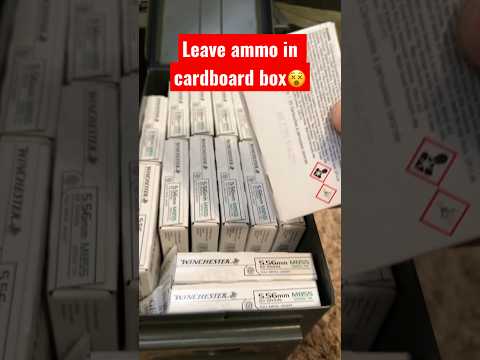
Keep your handgun ammo in original manufacturer boxes or a dedicated ammo can with a tight seal, and store it in a cool, dry place away from direct sunlight. Humidity is the enemy; toss in a few desiccant packets to prevent corrosion on brass and primers. When handling rounds, avoid touching the primer or bullet with oily fingers—oils can seep in and degrade the powder over time. Always inspect each round for dents, loose bullets, or tarnished cases before loading, and discard any questionable ones. Rotate your carry ammo every six months by shooting the old stash at the range, then reloading fresh. Never store loose rounds in a pocket or bag where they can rattle against keys or tools, as that can cause primer strikes. Finally, keep ammo elevated off concrete floors to minimize moisture transfer.
Preventing Corrosion and Misfires With Proper Storage
To prevent corrosion and misfires with proper storage, keep handgun ammo in a cool, dry environment, ideally below 70°F with humidity under 50%. Avoid storing rounds in leather or fabric pouches that trap moisture; instead, use sealed ammo cans with silica gel desiccants. Rotate your carry ammunition every 3–6 months, as constant chambering can dent primers and allow oil to wick into the case, causing powder degradation. Inspect for green or white residue on brass—that’s oxidation—and discard any rounds with loose bullets or discolored primers. For long-term storage, a light coat of corrosion inhibitor on cartridge cases—never the primer—adds a moisture-proof barrier against misfires.
| Storage Method | Corrosion Risk | Misfire Likelihood |
|---|---|---|
| Loose in range bag | High (humidity exposure) | Moderate (dirt ingress) |
| Sealed ammo can + desiccant | Low | Low |
| Chambered in firearm | Medium (oils) | High (primer contamination) |
How to Spot Damaged or Bad Ammo Before Loading
Before loading, inspect each round visually, prioritizing damaged ammo identification for handgun cartridges. Check the case mouth for splits, dents, or corrosion, especially near the rim, which can cause feeding failures or pressure issues. Look at the primer: a flattened, pierced, or significantly protruding primer suggests overpressure or a bad strike; avoid these. Examine the bullet itself for deep set-back (where the projectile is pushed into the case) or if it wobbles when lightly rotated, indicating a loose crimp. Discard any round with a tarnished, greenish stain on the brass, as this weakens the case walls. Finally, smell the powder; an acrid, vinegar-like odor means decomposed propellant. When in doubt, set the round aside—never gamble on questionable handgun ammunition.
Common Mistakes Beginners Make When Buying Ammo
When you’re just starting out, the biggest **common mistakes beginners make when buying ammo** usually involve grabbing the cheapest box without checking the caliber stamp. For handguns, a .40 isn’t a 9mm, and forcing it in is dangerous. Another classic error is choosing full-metal-jacket rounds for self-defense—they punch clean holes but don’t expand, which is poor for stopping threats. Also, don’t stockpile a ton of one brand until you’ve tested it in your specific pistol; some guns are finicky about bullet shape or casing material like steel vs. brass. Finally, avoid buying all your **handgun ammo** from a random bulk site without checking if the 6.5x57R Ammo for Sale primer seals are solid. Stick to trusted loads, verify the box matches your barrel, and shoot a few boxes before committing to a case.
Overbuying the Wrong Grain Weight for Your Pistol
Buying a case of 147-grain 9mm because it was on sale .35 Remington Ammo for Sale is a classic trap, but your pistol’s barrel twist and recoil spring are tuned for a specific weight. That grain weight dictates pressure curves, so too-heavy rounds may fail to cycle reliably while too-light ones cause excessive slide velocity and premature wear. You only discover the mismatch at the range, wasting hundreds of rounds and cash. Instead, check your manual’s recommended range and test a few boxes of different weights before bulk-buying. This prevents the costly mistake of stockpiling incompatible handgun ammo that your firearm will choke on or batter itself with.
Ignoring Recoil Sensitivity and Muzzle Flip in Your Choice
When you grab the hottest, highest-velocity handgun ammo on the shelf, you might be signing up for a handful of trouble. Ignoring recoil sensitivity and muzzle flip in your choice means you’ll likely develop a flinch, jerking the trigger before the shot breaks, which ruins accuracy completely. That sharp snap and upward barrel rise also slow your follow-up shots, making rapid fire feel frantic and sloppy. For new shooters, manageable recoil for consistent accuracy matters far more than raw power. Pick a lighter load, like a standard-pressure 9mm or .38 Special, that lets you watch the front sight stay steady. You’ll build confidence and muscle memory without fighting the gun every round, and you’ll actually enjoy the session.
If the ammo makes you flinch or lose sight picture, it’s wrong for you—choose loads that keep muzzle flip low and recoil predictable so you can shoot smoothly and stay on target.